

Participants
In 2022, the EEC initiative significantly expanded its scope, with institutional investors joining the providers of publicly relevant services already taking part in the initiative.

BLS
The environment is one of five strategic priorities in BLS’ new 2030+ strategy.

ETH Domain
The ETH Domain aims – within the context of the Federal Administration’s climate package – to reduce the CO2 emissions from its buildings by 50 per cent compared with 2006 levels by 2030.

Flughafen Zürich AG
In 2022, Flughafen Zürich AG has raised its climate targets and is now aiming to cut its greenhouse gas emissions to net zero by 2040.
Genève Aéroport
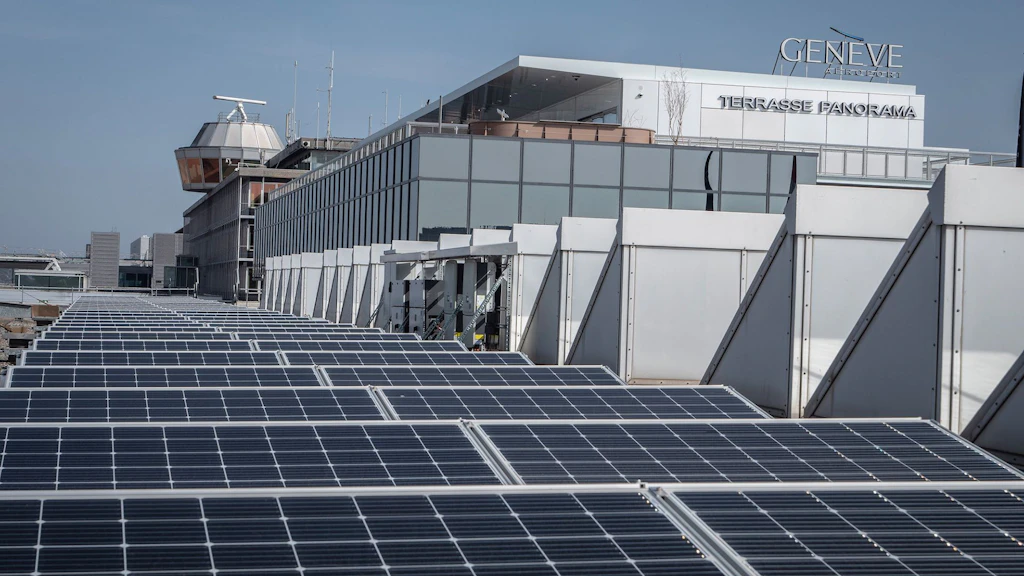
By 2030, Genève Aéroport aims to improve its energy efficiency by 25 per cent compared to 2020 and to increase the share of renewable energies to 70 per cent.

The Canton of Geneva
In December 2019, the Council of State declared a climate emergency and set various targets for the canton.
Pension Fund SBB
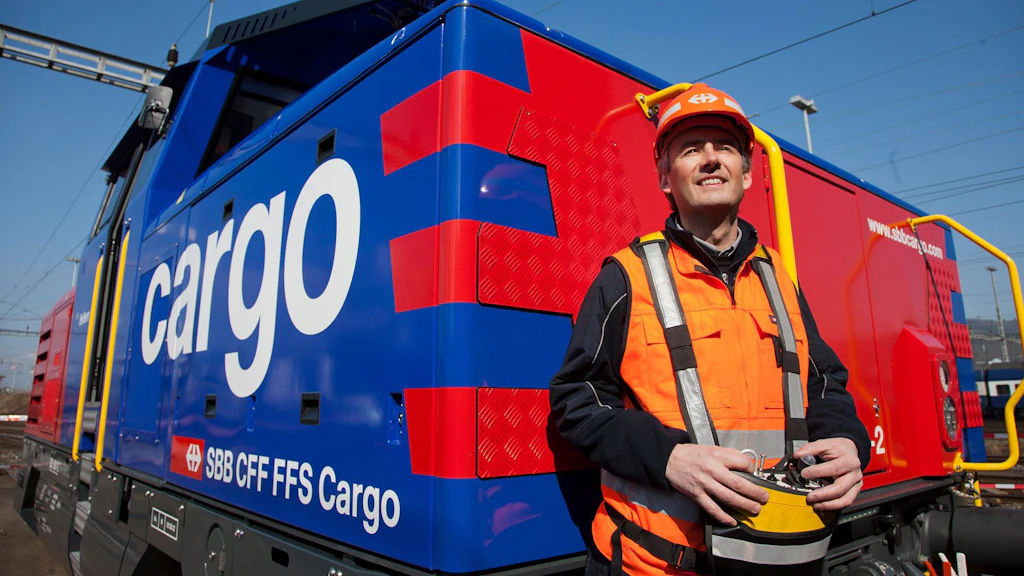
The board of trustees of the Pension Fund SBB first adopted a sustainability policy in 2015 and completely revised it in 2021.
Swiss Post
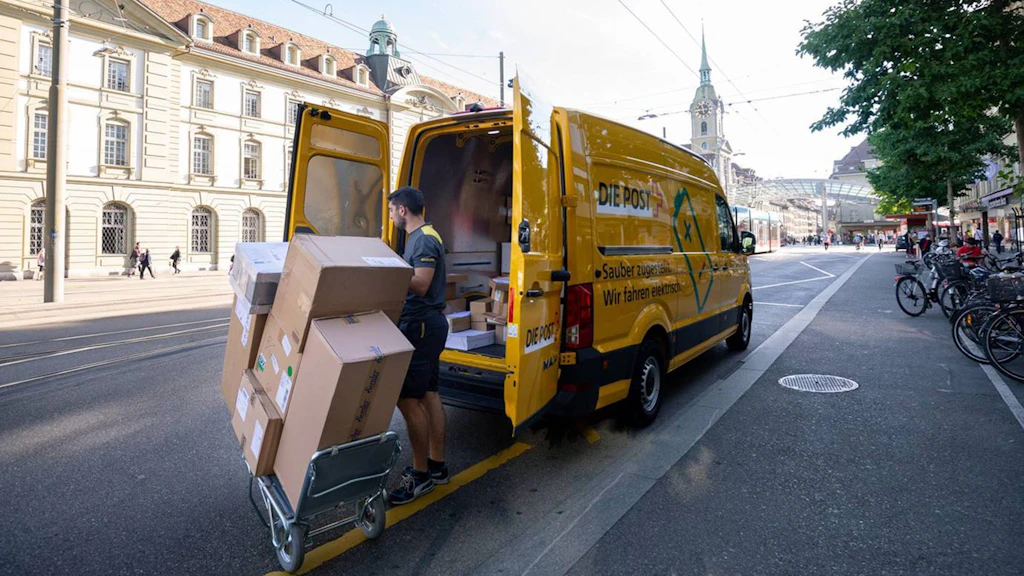
From 2025 onwards, Swiss Post’s letter and parcel deliveries in the urban centres of Zurich, Bern, Geneva, Basel, Biel, Lucerne and Winterthur will be carbon-free. Its in-house operations will be completely climate-neutral from 2030.
PostBus
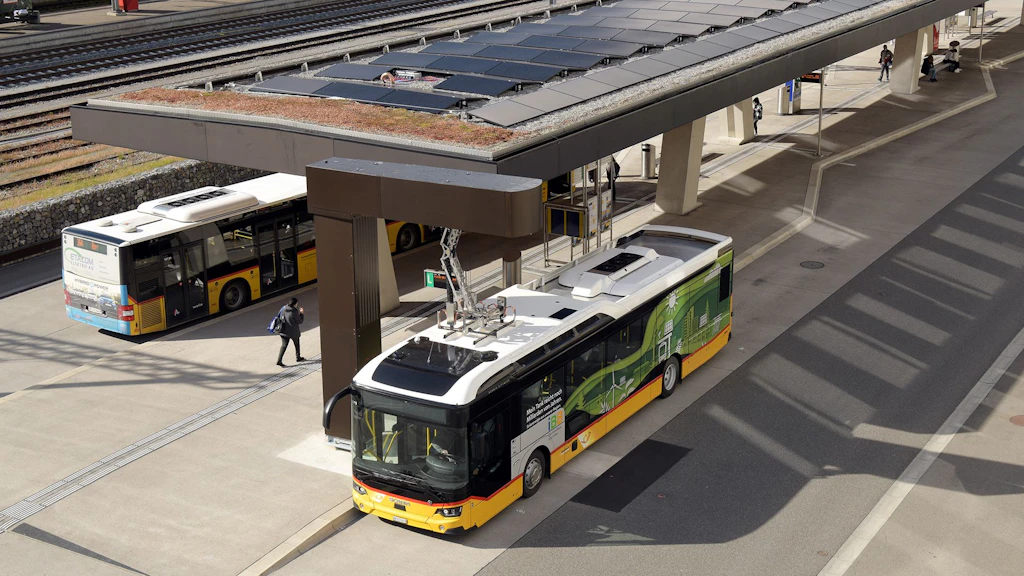
PostBus is converting its entire vehicle fleet to electric drive by 2035.

PostFinance
PostFinance aims to be completely climate-neutral within the company by 2030 and to have achieved net zero across all activities by 2040.

PUBLICA
PUBLICA has set itself the target of achieving net zero emissions for its portfolio by no later than 2050.
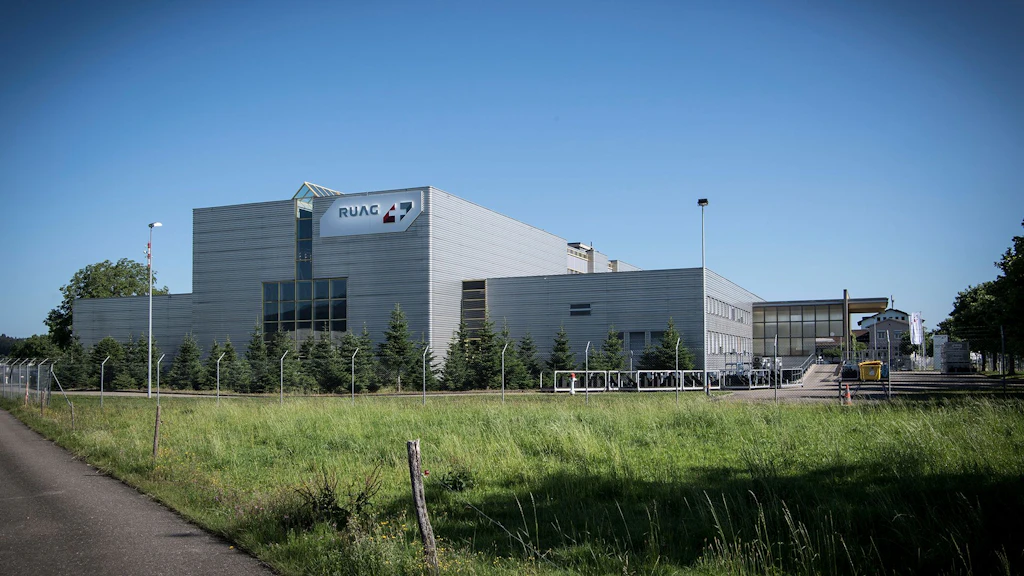
RUAG
With regard to energy and climate, RUAG is focussing on reducing the CO2 emissions of its heating systems, expanding renewable electricity and installing electric charging stations.

SBB
SBB aims to reduce its greenhouse gas emissions by 60 per cent by 2030. Its comprehensive programme for achieving this includes cutting energy use, using renewable energy and replacing climate-damaging industrial gases.
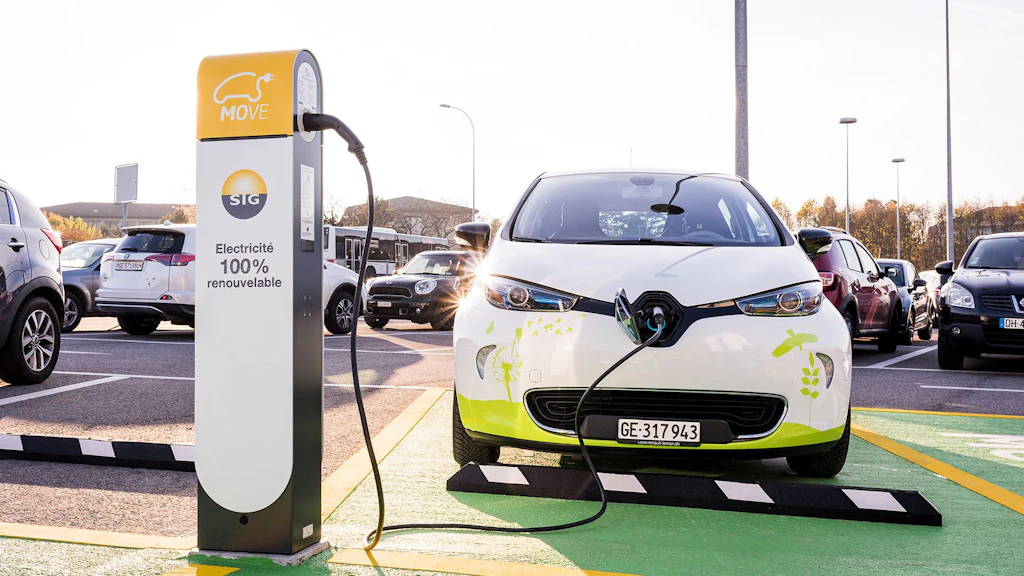
Services Industriels de Genève SIG
SIG plays a major role in implementing the energy policy of the canton of Geneva, which aims to reduce CO2 emissions by 60 per cent by 2030.

Skyguide
Implementing more efficient and sustainable air traffic control services is a core component of Skyguide’s corporate strategy.

SRG SSR
In 2022, SRG decided to develop a sustainability concept as a guide for the sustainable orientation and development of the company in the environmental, economic and social fields.

Suva
By 2030, Suva intends to reduce direct greenhouse gas emissions from its operations by 60 per cent from the 2014 level to 3600 tonnes CO2. It publishes an annual sustainability report in which it reports on its greenhouse gas balance.

Swisscom
Swisscom is aiming to achieve net zero greenhouse gas emissions along its entire value chain by 2035.

University hospitals
The university hospitals joined the initiative as a group in autumn 2023.